

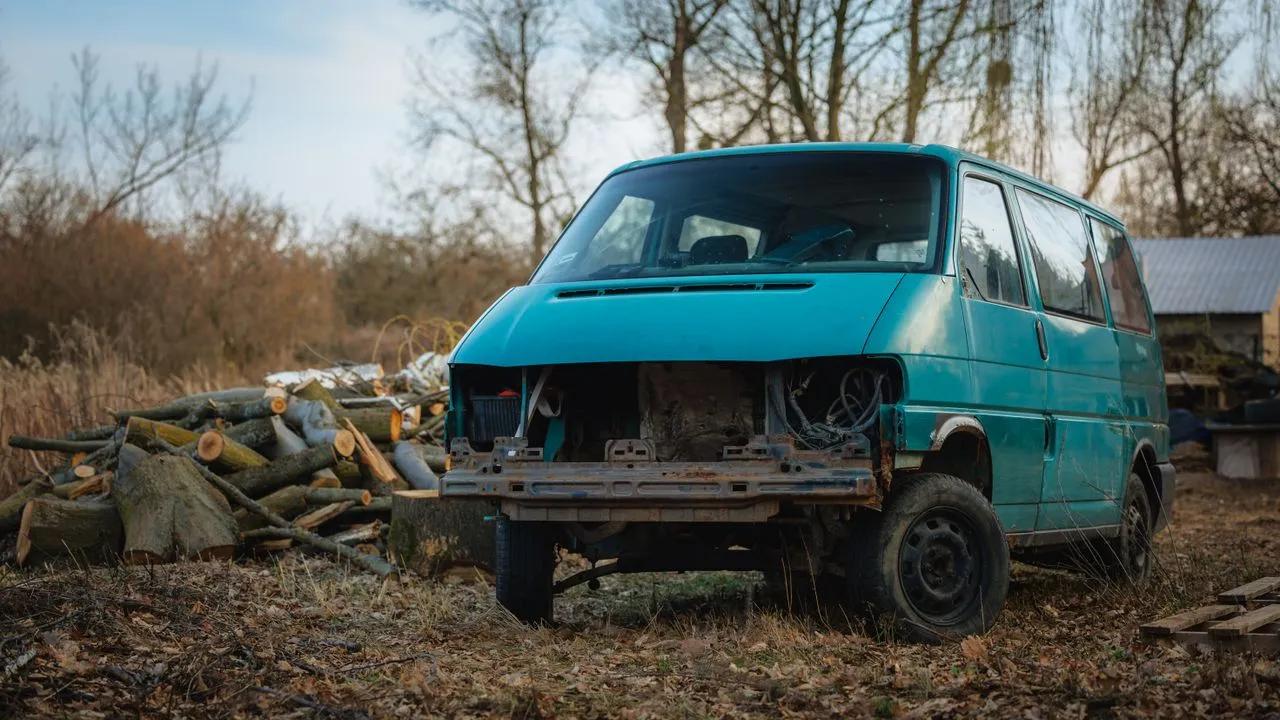
There is a common assumption about scrap cars: if the vehicle is old, damaged and barely running, surely every car should be worth roughly the same.
Not quite.
Two vehicles that look almost identical from the outside can receive very different offers. One may still have its original engine, catalytic converter, wheels and other major components. The other might be missing several of them.
That difference matters.
When a scrap car is evaluated, the buyer is not simply looking at how badly the vehicle needs a wash. They are looking at what is physically left, what can be recovered, what can be recycled and what will cost money to process.
So if parts have been removed, the vehicle may be worth considerably less than you expected.
Here is why.
A Scrap Car Is More Than Just a Metal Shell
When people think about scrapping a vehicle, they often picture a huge pile of crushed metal.
But a vehicle contains much more than steel.
Depending on its condition and model, a scrap car can contain:
Steel and other metals
Aluminum components
Copper wiring
An engine
Transmission
Catalytic converter
Wheels and tires
Battery
Radiator
Alternator
Starter motor
Electronic components
Seats and interior materials
Glass
Various mechanical parts
Not every component has the same value, and not every part will be recovered or reused.
That is why removing several valuable components before selling a vehicle can affect the final offer.
The Engine Is One of the Biggest Missing Pieces
A vehicle without an engine is a very different proposition from a complete vehicle.
Even if the engine no longer runs, it still contains a significant amount of metal and may contain components that can potentially be reused, rebuilt or processed for their material value.
Once the engine has been removed, the buyer is left with a much lighter and less complete vehicle.
That can affect the overall calculation.
Of course, this does not mean a car without an engine is worthless. There is still metal, wiring, body material and other components to recover.
It simply means you should not expect the same offer as you might receive for a comparable vehicle that still has its engine.
A Missing Catalytic Converter Can Make a Noticeable Difference
Catalytic converters are another component that can influence the value of a scrap vehicle.
They contain precious metals used in the emissions-control process. Because of this, catalytic converters have value beyond their basic weight as scrap metal.
If yours is already missing, the buyer cannot include its potential value in the assessment.
This is one reason vehicles that have been sitting unattended for long periods can sometimes become less valuable than owners expect. Certain components are relatively easy targets for theft.
If you are selling a vehicle that has been sitting for a while, it is worth checking whether important components are still there before requesting a quote.
Wheels and Tires Are Also Part of the Equation
Imagine two identical vehicles.
One has four complete wheels and tires.
The other is sitting on blocks with its wheels removed.
The second vehicle is obviously more difficult to move, but there is another issue: the buyer is receiving less material and fewer potentially reusable components.
Wheels can contain valuable metals, while tires may have their own handling and disposal costs.
Depending on the buyer's pricing model and the condition of the vehicle, missing wheels can therefore affect the offer.
There may also be additional towing considerations if specialized equipment is required to move the vehicle.
Missing Batteries Can Change the Assessment
The battery is another component that is frequently removed from old vehicles.
A dead battery is not necessarily the same thing as a missing battery.
If the battery is simply discharged, the vehicle still has the component.
If it has been completely removed, the buyer has one less component to recover or recycle.
The difference may not be enormous compared with removing an engine or catalytic converter, but several missing components can add up.
What About the Transmission?
A missing transmission can have a similar effect to a missing engine.
Even a transmission that no longer works may contain recoverable materials and components.
Once it has been removed, the vehicle becomes lighter and less complete.
This is particularly important if someone has removed the transmission while attempting to repair the vehicle and later decides to sell the remaining shell.
The car may still have scrap value, but the offer will reflect what is actually being purchased.
Missing Parts Do Not All Have the Same Impact
It would be a mistake to assume that every missing part automatically reduces a scrap offer by the same amount.
It doesn't.
Removing a floor mat is obviously not comparable to removing an engine.
The impact generally depends on several factors, including:
The part itself: Some components have significantly more recoverable or resale value than others.
The vehicle's weight: Scrap pricing can be influenced by the amount and type of metal being recovered.
The vehicle's make and model: Certain vehicles have components that are more desirable or valuable than others.
Current commodity prices: Metal and material values change over time.
Condition: A damaged component may be worth less than a clean, usable one.
Processing costs: Some materials require additional handling, dismantling or disposal.
This is why there is no universal formula such as “one missing part equals $X less.”
A Stripped Car Can Be Surprisingly Different From a Complete One
There is a big difference between an old car and a stripped car.
An old vehicle might have:
Original drivetrain
Wheels
Battery
Exhaust system
Catalytic converter
Interior
Wiring
Body panels
A stripped vehicle may have already had many of those components removed.
At that point, the buyer is effectively purchasing a different package of materials.
The car may still be useful for scrap, but there is less to recover.
Think of it like selling a house after removing the appliances, doors, fixtures and other valuable items. The building is still there, but its overall value has changed.
Should You Remove Parts Before Scrapping a Car?
This is where things can get tricky.
Some owners assume they can make extra money by removing anything that looks valuable before selling the vehicle.
In reality, this is not always worthwhile.
Removing parts takes time, tools and knowledge. Some components can be difficult to access, and attempting to remove them incorrectly can create safety hazards.
There is also a practical issue.
If you remove several major components, the scrap value of the remaining vehicle may fall.
So before dismantling anything, compare the potential value of the individual part with the reduction in value of the complete vehicle.
Sometimes leaving the vehicle intact is the simpler and more financially sensible option.
Missing Parts Can Also Affect Towing
The value of the vehicle is not the only consideration.
A heavily stripped car may be more difficult to move.
For example, a vehicle without wheels cannot simply be hooked up and towed in the same way as a complete rolling vehicle.
Special equipment may be required to load it safely.
That can add time, labour and transportation costs.
For someone arranging scrap car removal, this is an important detail to mention when requesting a quote. Tell the buyer about major missing components and explain the vehicle's condition before the pickup.
Being upfront can prevent surprises when the vehicle is inspected or loaded.
Always Be Honest About Missing Parts
Trying to hide missing components usually does not help.
A buyer or tow operator can normally identify major missing parts when they see the vehicle.
If you request a quote and describe the car as complete, only for the buyer to discover that the engine, wheels or catalytic converter is missing, the original estimate may no longer apply.
A much better approach is to provide accurate information from the beginning.
Mention:
Which major parts are missing
Whether the vehicle still rolls
Whether the engine is present
Whether the catalytic converter is present
Whether the wheels are attached
Whether the battery is installed
Whether the vehicle has been sitting for a long time
Whether it has significant accident or rust damage
The more accurate the description, the more realistic the initial quote is likely to be.
Take Photos Before Requesting an Offer
One easy way to make the process smoother is to take clear photos of the vehicle.
Photograph the:
Front
Rear
Both sides
Interior
Engine compartment
Wheels
Trunk
Any major damage
Areas where parts are missing
If something important has already been removed, take a photo showing the area.
This gives the buyer a better understanding of what they are dealing with before arranging pickup.
It can also save you from explaining the same details repeatedly.
The Bottom Line
Missing parts can reduce a scrap car offer because a vehicle's value is based on more than its age or appearance.
The engine, transmission, catalytic converter, wheels, battery and other components all contribute to what can potentially be recovered, recycled or reused.
A complete vehicle generally offers more material and components than a heavily stripped one.
That does not mean a car with missing parts has no value. It simply means the offer needs to reflect what is actually there.
Before removing anything, consider the entire vehicle rather than looking at individual parts in isolation. And when getting a quote, be honest about the car's condition and any major components that are missing.
In the scrap car business, what is missing can matter almost as much as what is left.